

5 Essential Automations for Small Businesses
Business Automation, Small Business Automation, Productivity
The 5 Automations Every Small Business Should Have Running Right Now
If you’ve ever ended a long day thinking, “Why am I still doing this by hand in the year we all pretend we understand AI?” — this one’s for you. Let’s talk about the kind of business automation that quietly runs in the background while you do literally anything else with your life.

What Business Automation Actually Is (No Buzzwords, Promise)
Business automation is not robots replacing you, your team, or your charmingly chaotic personality. It’s simply this: using software to do repetitive tasks automatically, the same way, every time, without you touching it.
Think of it as a set of tiny, invisible assistants who:
- send messages when someone fills out a form,
- remind people about appointments so they actually show up,
- follow up with leads so you don’t forget they exist, and
- nudge happy customers to leave reviews while they still remember your name.
No magic. Just rules like, “If X happens, automatically do Y.” That’s all small business automation really is. It’s a glorified “if this, then that” for your business that never gets tired, distracted, or lost in its inbox.
Why Most Small Businesses Are Still Doing Things the Hard Way
If you’re still copy‑pasting the same email to every new lead, you are in excellent, slightly exhausted company. Most owners are still doing everything manually, not because they love chaos, but because of a few very human reasons:
- “I’m too busy to set it up.” Irony alert: you’re too busy doing repetitive tasks to set up the thing that stops you doing repetitive tasks.
- “Tech scares me.” Fair. But you don’t need to code. You just need to decide what should happen when someone calls, clicks, or books.
- “My customers want personal attention.” Correct. And that’s exactly why you should automate the boring stuff, so you can give them actual attention instead of typing the same sentence for the 400th time.
The result? Leads fall through the cracks. People forget appointments. You mean to ask for reviews, but the day explodes and it never happens. Then you blame “slow months” instead of “I’m one human trying to juggle 47 plates without help.”

Manual follow-up turns your day into a game of notification whack-a-mole.
The Five Automations You Should Turn On Yesterday
Let’s walk through five specific business automation workflows you can set up without selling your soul to a consultant or learning a new programming language. These cover your most valuable moments: when someone first raises their hand, when they’re about to show up, and after they’ve already paid you.
1. Lead Follow-Up Automation: Reply Faster Than Their Attention Span
When someone fills out a form, sends a message, or downloads something from you, there is a tiny window where they still remember who you are. That’s where automated follow-up earns its entire existence.
A basic lead follow-up automation looks like this:
- Lead fills out your form or contacts you.
- Within 1–2 minutes, they get a text or email: “Got your message! Here’s what happens next…”
- Over the next few days, they receive 2–4 short follow-ups with value, answers, and a clear call to book, buy, or reply.
You don’t need a novel. You need clarity and consistency. Example first message:
That’s it. Your automated follow-up now shows up instantly, looks professional, and stops leads from drifting off to a competitor whose only real advantage is “replied faster.”
2. Appointment Reminder Automation: Because “I Forgot” Isn’t a Strategy
If no‑shows are quietly eating your revenue, appointment reminders are the friend who taps people on the shoulder and says, “Hey, you promised you’d be somewhere.”
A simple small business automation for reminders might:
- Send a confirmation message immediately after booking with date, time, and location or link.
- Send a reminder 24 hours before the appointment.
- Send a final reminder 1–2 hours before, with a quick “Confirm / Need to reschedule?” option.
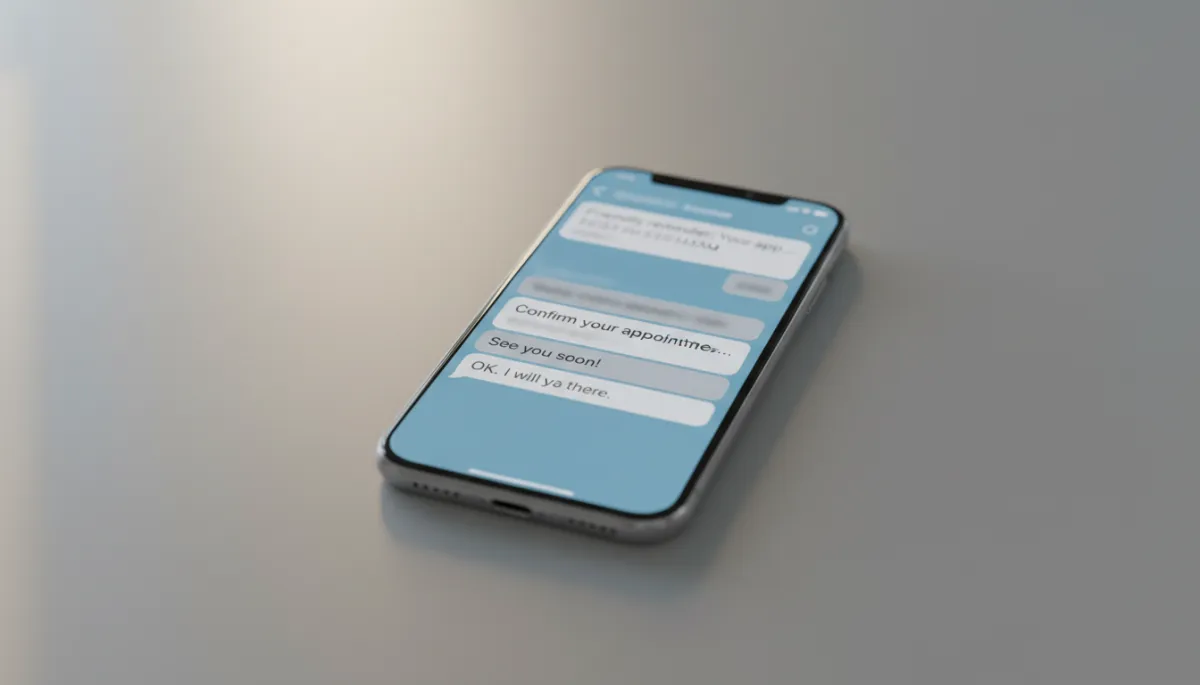
Smart appointment reminders can cut no-shows dramatically with zero extra effort.
You’re not nagging; you’re protecting your time. People are busy. Their calendar is a war zone. Appointment reminders are the gentle shield between you and an empty time slot you can’t sell twice.
3. Review Request Automation: Turn Happy Customers into Social Proof
People absolutely intend to leave you reviews. They also intend to start meditating and drink more water. Intent is not the problem. Follow‑through is. That’s where automated review requests come in.
A solid review automation does this:
- After the appointment, purchase, or project completion, it waits a reasonable amount of time (often 1–24 hours).
- Sends a short, friendly message asking how things went and sharing a direct link to your review page.
- If they don’t click, sends one polite follow-up a few days later.
The key with review requests is timing: ask while the experience is still fresh and the good feelings are still hanging around. Automated messages don’t forget, don’t get shy, and don’t wait until three months later when the moment has evaporated.

Automated review requests turn quiet satisfaction into public proof you do great work.
4. Missed Call Text-Back: Never Lose a Lead to Voicemail Again
You step away from your phone for five minutes and, naturally, that’s when three potential customers call. They hit voicemail, hang up, and move on. Your revenue just took a silent hit because you dared to be in the bathroom.
A missed call text-back automation is your safety net. When you miss a call, it automatically sends a text message to that number, so they know you’re real, alive, and interested in helping them.
That’s it. No drama. Just a simple business automation that recovers leads you would have lost forever. Even better, a text conversation is often easier for busy people than another phone call, which means more booked appointments with less phone tag.

Missed call text-back keeps the conversation alive, even when you can’t pick up./span>
5. New Contact Nurture Sequences: Stay Top of Mind Without Being Annoying
Not every contact is ready to buy right now. Some are “just looking,” “maybe later,” or “my cousin said I should check this out.” That doesn’t mean they’re a bad lead. It means they need a little time — and a little gentle, automated attention.
A new contact nurture sequence is a short series of emails or texts that introduces who you are, what you do, and why you’re not like everybody else they’ve half‑heartedly Googled. It’s small business automation for relationship‑building.
A simple nurture flow might look like this:
- Day 0: Welcome message, quick intro, and one clear next step.
- Day 2: Short story or example of how you helped someone like them.
- Day 5: Helpful tip, guide, or FAQ that answers a common concern.
- Day 7: Clear invitation to book, buy, or talk to you directly.
The goal is not to spam. The goal is to be the one business they actually remember when they’re finally ready. New contact nurture sequences let you do that without manually chasing people who aren’t ready yet.
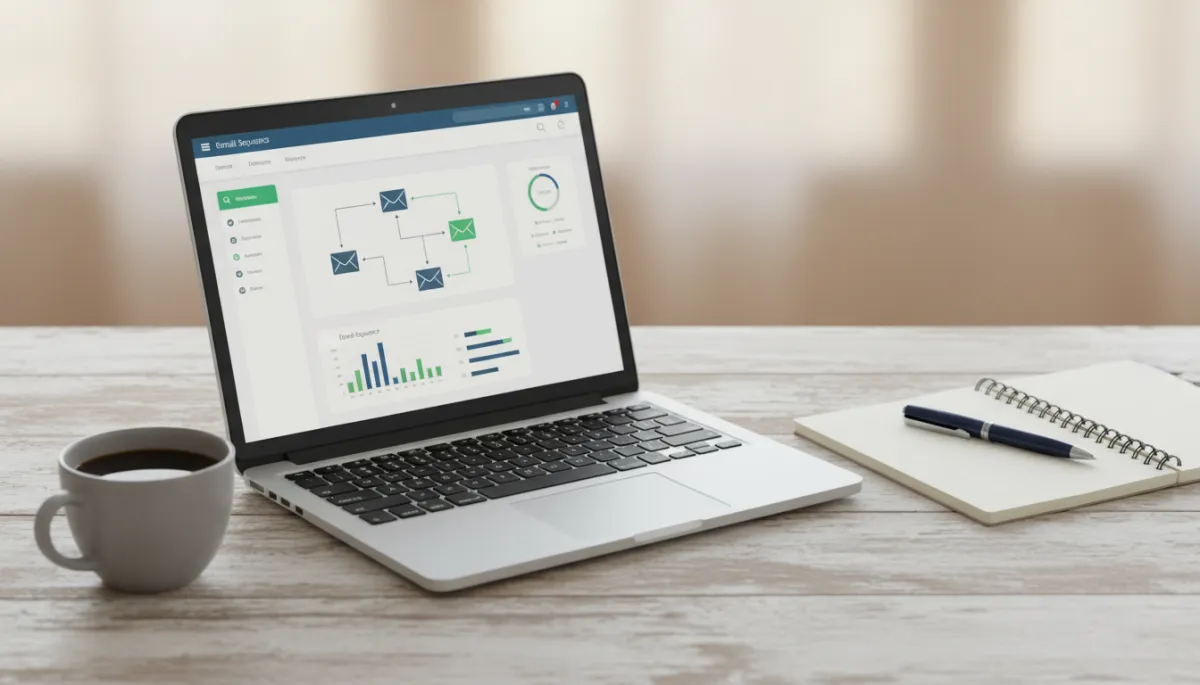
Nurture sequences keep you top of mind while you focus on current customers.
How to Keep Automation Feeling Human (Not Robotic)
The fear with business automation is that everything will suddenly sound like it was written by a toaster. The fix is simple:
- Write like you talk — then shorten it. If you wouldn’t say “Dear valued customer,” don’t write it.
- Use names and specific details where you can. Personalization tokens are your friend.
- Give people a clear way to reply and reach a real human when they need one.
Automation should handle the repetitive, predictable parts of your customer journey — not the moments where your judgment, personality, or expertise actually matter. You automate the “of course we’ll send that” so you can focus on the “this really needs my brain.”
Putting It All Together: Your Business, But Less Exhausting
Let’s zoom out. With these five automations running — lead follow-up, appointment reminders, review requests, missed call text-back, and new contact nurture sequences — your day looks very different:
- New leads get a response whether you’re at your desk or stuck in line behind someone arguing with a receipt.
- Your calendar fills with people who actually show up.
- Your online reputation grows because happy customers are gently reminded to speak up.
- Missed calls turn into conversations instead of dead ends.
- People who aren’t ready yet don’t disappear — they stay warm until the timing is right.
That’s the real promise of small business automation. Not “set it and forget it” fantasy. Just a smoother, calmer version of your current business where fewer things depend on you remembering them at exactly the right moment.
Ready to Stop Doing All of This Manually?
If you’re reading this thinking, “Okay, yes, I want all of that, but also I have approximately zero hours to figure it out,” that’s exactly where Formosi Insight comes in.
Formosi Insight helps small business owners turn these ideas into real, working automations — the kind that handle your automated follow-up, appointment reminders, review requests, missed call text-back, and nurture sequences without you needing to babysit them or build everything from scratch.
You keep being the face of the business. Let the workflows handle the follow‑through. When you’re ready to stop losing leads to slow responses, no‑shows, and forgotten follow‑ups, take a look at how Formosi Insight can help you get these five automations running — and then quietly working for you every single day.