
Boost Online Visibility Without Ads: A Guide
Marketing, Small Business SEO, Online Visibility
How to Get Found Online Without Spending a Dollar on Ads
If you’ve ever stared at your screen, hovered over the “Boost Post” button, and thought, “Fine, take my money,” this one’s for you. You don’t actually have to pay a tech giant rent just to get found online. You can build real, durable online visibility without dropping a single dollar on ads — and no, it doesn’t require becoming a full‑time influencer or learning to dance on video.

Why So Many Small Businesses Default to Paid Ads
Let’s be honest: paid ads are seductive. The platforms promise you can “reach thousands of people in minutes.” It sounds like ordering attention off a menu. You’re busy, you need customers, and the idea of organic SEO and content sounds like homework. So ads feel like the shortcut — push a button, get traffic, done.
There are three big reasons small businesses think ads are the only way to get found online:
- Visibility looks instant. You can literally see “1,784 people reached” and feel like you just won the internet, even if none of them actually buy anything.
- Organic feels mysterious. Terms like “small business SEO” and “algorithm” sound like something guarded by a wizard living in a server room. So you assume it’s not for you.
- No one explains the compounding effect of organic. Ads stop when your card maxes out. Organic keeps working long after you’ve closed your laptop and gone home.
Ads aren’t evil. They’re just needy. The second you stop feeding them money, they stop sending you people. Organic online visibility, on the other hand, is more like compound interest: slow at first, strangely powerful later. The problem isn’t that ads exist; it’s believing they’re the only way to get found online. They’re not. They’re just the most aggressively marketed option in the history of marketing options.
The Fundamentals of Organic Online Visibility (Without the Jargon Migraine)
Organic visibility is simply this: when people search for what you do, you show up — without paying for the click. That’s it. No robes, no secret society. Just a few basics done consistently. Let’s break those down without putting you to sleep.
1. Organic SEO: Make It Easy for Search Engines to Introduce You
Search engines are like extremely picky matchmakers. Their job is to connect people searching for something with the most relevant, trustworthy options. Organic SEO is just you making that job easier so they pick you more often. You don’t need to become a technical wizard; you just need the basics:
- Use clear, specific phrases on your website that match what people actually search for. If you offer bookkeeping, say “small business bookkeeping services,” not “financial excellence solutions.”
- Give each page a focused topic. One main idea per page. Your homepage doesn’t need to say everything you’ve ever done since childhood.
- Make sure your site loads quickly and looks normal on a phone. If your page takes longer to load than it does to microwave leftovers, people bail — and search engines notice.

Small tweaks to organic SEO can quietly grow search traffic month after month.
2. Your Google Business Profile: The Free Billboard You’re Ignoring
If organic SEO is your website’s long game, your Google Business Profile is your front‑window display. It’s often the first thing people see when they search for you or what you offer. It’s also free, which is exactly your price range right now. To make it work for you:
- Fill out every field: description, categories, hours, website, phone, services. Search engines love complete profiles the way accountants love receipts.
- Add real photos of your space, your team, and your work. No stock photos that look like everyone just won the lottery and decided to hold a meeting about it.
- Post updates regularly — offers, events, tips. Treat it like a mini social feed that shows you’re alive and open for business.
3. Consistent Content: Showing Up Beats Showing Off
Consistent content is how you stay on the radar without shouting. When you publish useful posts, short videos, or quick tips on a regular basis, you train both people and search engines to expect you to be there. Consistency matters more than perfection. One solid piece of content every week will beat ten frantic posts in one day followed by three months of digital silence.
Reviews and Social Proof: The Secret Ranking Fuel You’re Sitting On
People trust other people more than they trust your tagline. That’s not personal; that’s psychology. Reviews and social proof are the digital version of someone leaning over and saying, “Yeah, they’re legit.” The bonus? Reviews don’t just convince humans; they also influence search rankings. Two audiences, one effort. Efficient, just how you like it.
- Quantity matters. A steady stream of recent reviews signals that your business is active. Ten reviews from three years ago feels like a ghost story, not social proof.
- Quality matters. Detailed reviews that mention what you actually do (“fast delivery,” “clear explanations,” “great follow‑up”) give search engines more context to match you with the right searches.
- Responses matter. When you reply to reviews — good or bad — you show you’re engaged. Search engines see activity; customers see that you care enough to type full sentences.
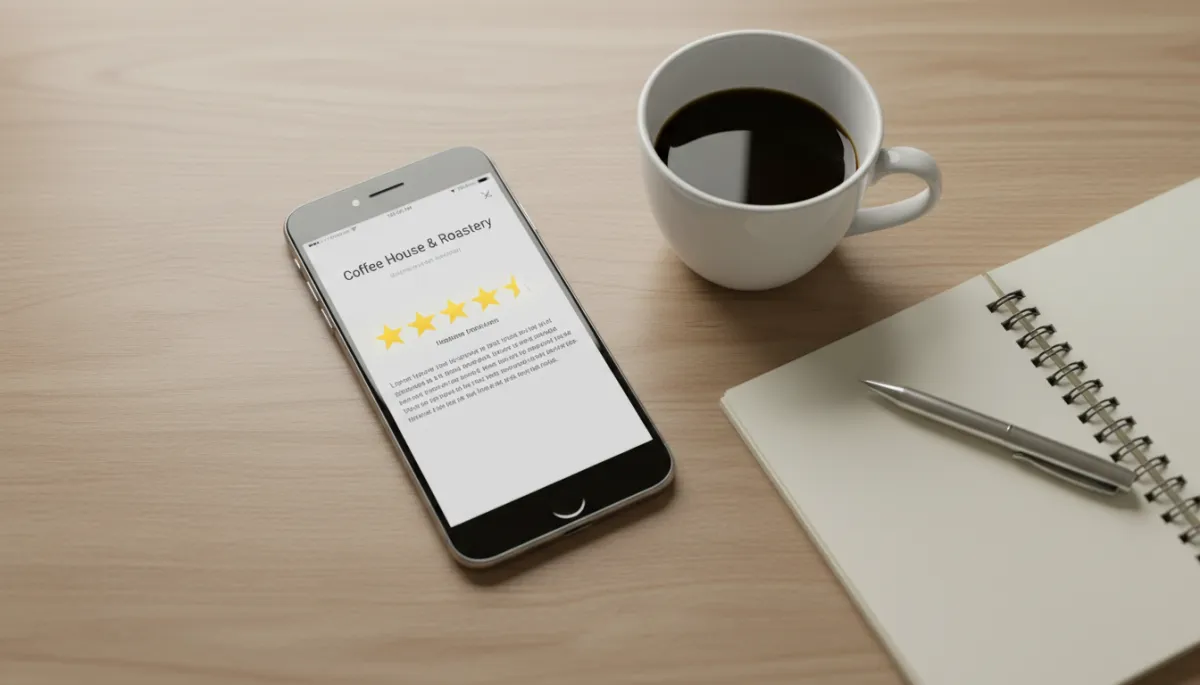
Consistent, honest reviews build trust and quietly boost search visibility.
How Blogging and Educational Content Turn You into the Obvious Choice
Let’s talk about blogging and educational content — the part everyone says they “don’t have time for,” right before they spend twenty minutes scrolling through stranger’s vacation photos. Educational content is your quiet superpower. It helps you get found online, positions you as the expert, and pre‑answers questions that usually eat up your time on calls and emails.
When you publish helpful articles, guides, or how‑tos, you’re doing three things at once:
- Capturing search demand. People type questions into search engines. If your blog post answers those questions clearly, you show up. That’s organic SEO in action — you earn visibility instead of renting it.
- Building trust before they ever contact you. By the time someone reaches out, they’ve already seen your thinking, your approach, and your tone. You’re not just another option; you’re the one who helped them for free.
- Creating assets that work long‑term. A single strong article can bring in visitors for months or even years. Ads vanish when the budget stops; content keeps showing up to work.

Educational blog posts turn your everyday expertise into long-term discoverability.
Not sure what to write about? Start with the questions you answer over and over:
- “How does this work?”
- “What does it cost and why?”
- “How do I know if this is right for me?”
Turn each of those into a short, clear article. That’s not just content; that’s free marketing. You’re building a library that keeps sending people your way, all under the banner of small business SEO and organic authority — without ever having to say “I’m a thought leader” out loud, which benefits everyone.
A Simple Weekly Routine to Grow Your Online Presence for Free
You don’t need a 40‑page strategy deck. You need a simple rhythm you can actually stick to between customers, inventory, and that one email you keep ignoring. Here’s a realistic weekly routine that builds online visibility without hijacking your life.
Step 1: Ten-Minute Tune‑Up (Once a Week)
Pick one day a week — any day you’re less likely to be ambushed by chaos. Spend ten minutes on quick small business SEO housekeeping:
- Check your website homepage. Is your main headline clear about what you do and who you serve? If not, fix that sentence. Clarity beats cleverness every time.
- Make sure your contact info is easy to find and matches what’s on your Google Business Profile and other listings. Consistency signals reliability to search engines.
Step 2: One Helpful Piece of Content (Once a Week)
Choose your format: a short blog post, a FAQ update, a how‑to article, or even a written guide you later repurpose into social posts. Aim for 500–800 words answering one real customer question. That’s it. Call it your “Thursday Visibility Session” or something that sounds official enough to respect on your calendar.

A simple weekly routine beats random bursts of marketing inspiration every time.
- Start with a clear title that matches how people search, like “How to Choose the Right [service/product] for Your Situation” instead of “Our Philosophy.”
- Use simple language. You’re not trying to win a literature prize; you’re trying to get found online and help people understand their options.
Step 3: One Visibility Check‑In on Your Google Business Profile
Once a week, give your Google Business Profile a quick refresh:
- Post a short update: a new product, a behind‑the‑scenes photo, a quick tip. Think of it as a status update that reminds both people and search engines you’re active.
- Double‑check your hours and any special availability. Few things kill trust faster than someone showing up when your profile swore you’d be open.
Step 4: Two Review Requests (Every Week, Forever)
Reviews are your free marketing army. All you have to do is recruit them. Each week, personally ask at least two happy customers for a review. Not a mass email. Not a vague “Follow us online!” A direct, specific ask:
- “It means a lot when customers share their experience online. Would you be willing to leave a quick review today?”

A direct, friendly review request beats waiting and hoping someone remembers.
Set a tiny, boring goal: two reviews a week. Over a year, that’s more than one hundred opportunities for social proof and better search visibility — all from conversations you’re already having.
Step 5: One Social Share of Something Actually Useful
Once a week, share one helpful thing on your preferred social platform: a link to your new blog post, a quick tip, a before‑and‑after story, or a short explanation of a common mistake to avoid. Not every post has to “go viral.” You’re playing the consistency game, not the lottery. Each useful post is another breadcrumb that leads people back to you and boosts your overall online visibility.
The Big Picture: Free Marketing That Actually Compounds
Here’s the part most people miss: all these small actions stack. Your website gets clearer, your organic SEO gets stronger, your Google Business Profile looks alive, your reviews grow, your educational content library expands, and your social posts keep pointing people back to all of it. None of these on their own feel dramatic. Together, they quietly make you the obvious choice when someone searches for what you offer.
You don’t need to outspend bigger competitors. You need to out‑care them, out‑educate them, and out‑consistently show up. That’s how you get found online without turning your bank account into a donation fund for ad platforms. Free marketing isn’t about doing everything; it’s about doing the right few things, over and over, until the results feel suspiciously like magic — except it’s just you, being strategic.
Ready to Make This Easier? Meet Formosi Insight
If you’re thinking, “This all sounds smart, but I also run an actual business,” that’s fair. You don’t have time to live in spreadsheets and dashboards just to see whether your organic SEO, reviews, and content are paying off. That’s where Formosi Insight comes in. It’s built to help small business owners see what’s working, what’s not, and where to focus next — without needing a marketing degree or an extra eight hours a day.
If you want clearer data, smarter decisions, and a simpler way to grow your online visibility without throwing money at ads, explore how Formosi Insight can support the strategy you just mapped out. You bring the expertise in what you do; Formosi helps you see how the rest of the world is finding it.